The Limits of a Ceasefire and the Price of Escalation: Mariia Zolkina on Negotiations, Energy Warfare, and the Role of the United States
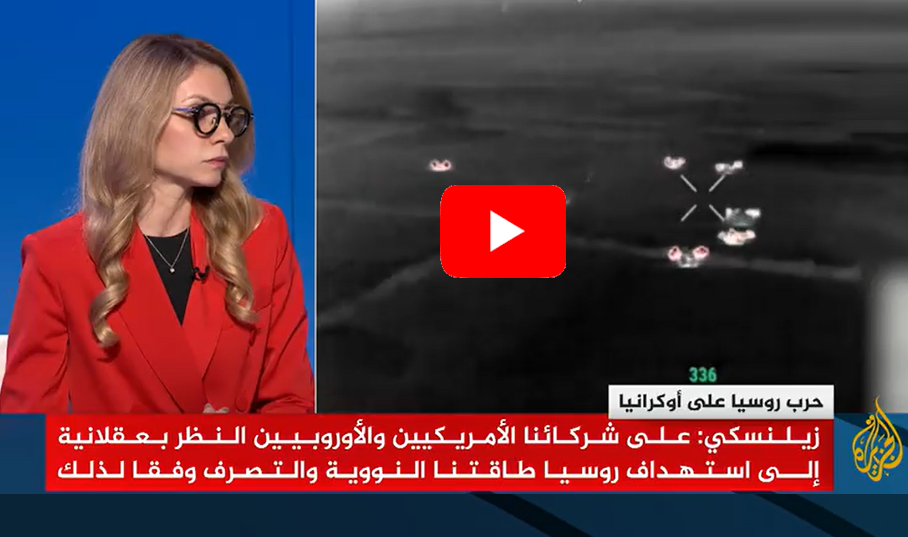
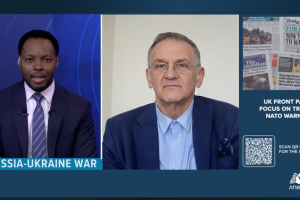
Al Jazeera TV channel hosted a discussion on the prospects of Ukrainian-Russian negotiations against the backdrop of a new wave of attacks on Ukraine's energy and nuclear infrastructure. The discussion focused on whether such strikes could become a turning point in the diplomatic process, how they shape the political positions of both sides, and what role the United States is playing in containing further escalation.
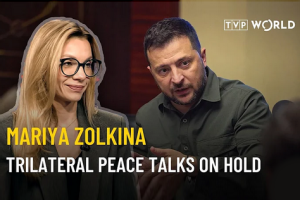
Mariia Zolkina, Head of the "Regional Security and Conflict Studies" Department at the Ilko Kucheriv Democratic Initiatives Foundation and an Associate Fellow at LSE Idea, argued that while the current escalation has not yet derailed the negotiation process, its intensity poses serious risks to its continuation. She stressed that Ukraine has not walked away from dialogue and had previously agreed to a ceasefire proposal, including a 30-day truce, without receiving a reciprocal commitment from Russia. According to Zolkina, Kyiv has demonstrated its readiness for a political settlement that includes clear security guarantees, whereas Moscow continues to block Ukraine’s potential membership in defense alliances or the deployment of international security missions on its territory.
Zolkina also highlighted the systematic targeting of Ukraine’s energy infrastructure. She emphasized that this is not merely a matter of military tactics, but a deliberate strategy aimed at pressuring civilians, leaving millions without electricity, heating, or water for extended periods — sometimes for days at a time. Such actions, she argued, amount to energy terror and carry the risk of a broader humanitarian and social crisis. Moreover, strikes on nuclear facilities pose a distinct and grave threat, raising issues of international security that demand attention from major global powers.
At the same time, Zolkina noted that the continuation of talks has been made possible in large part due to external pressure, particularly from the United States, which is exerting influence on both sides. However, she cautioned that there is a limit to how much escalation can be absorbed without consequences. Should the intensity increase further, the negotiation process itself could be jeopardized. A temporary ceasefire, she suggested, would be a minimal but necessary step to preserve the possibility of a political settlement.
In conclusion, Zolkina made clear that the core obstacle lies not in Ukraine’s unwillingness to compromise, but in the fundamental divergence over security guarantees and the country’s future status. Without meaningful concessions from Russia and credible international mechanisms to ensure Ukraine’s security, any negotiations will remain fragile and uncertain.